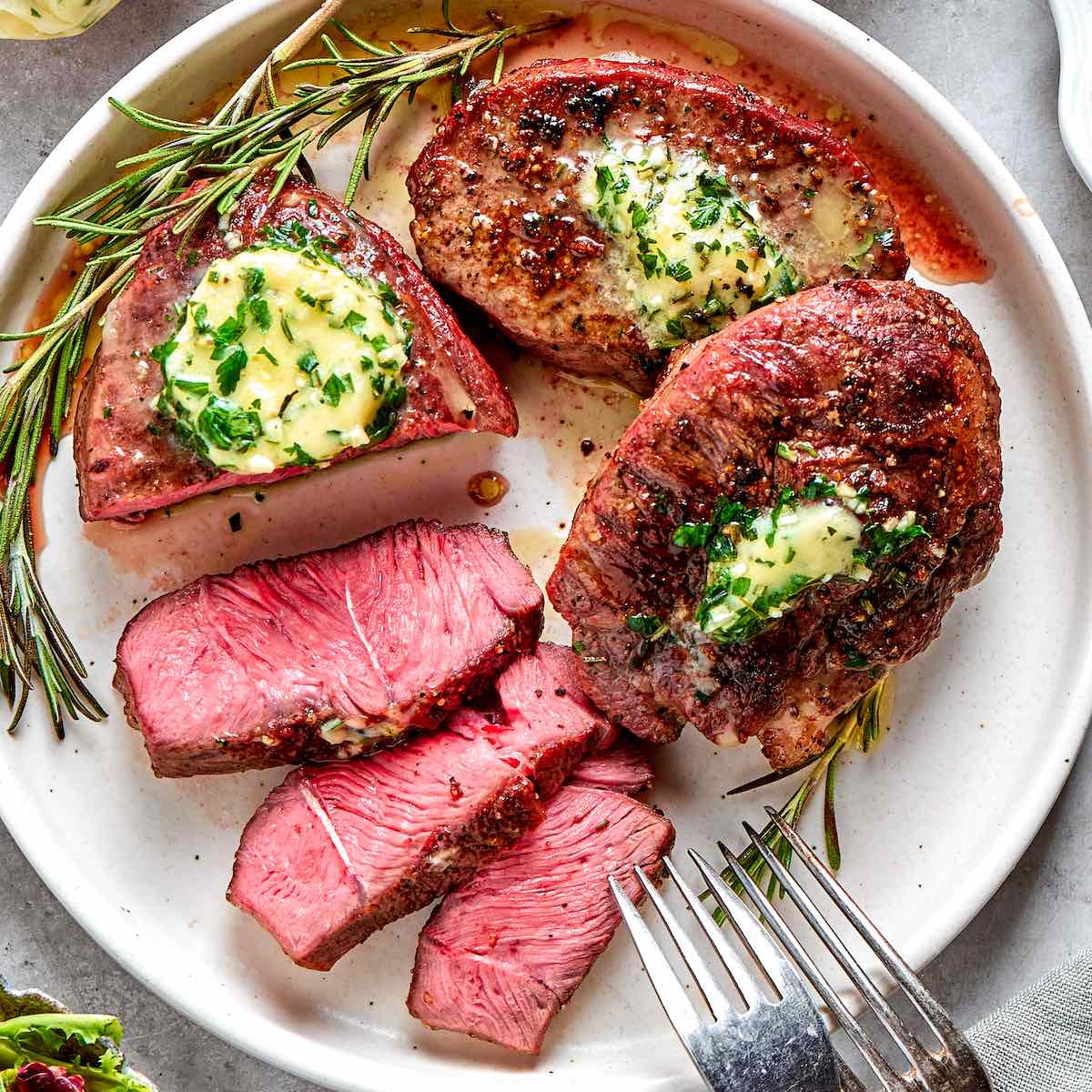
Mastering Steakhouse Filet Mignon at Home: The Pan-Sear & Oven Finish Method
Filet mignon stands as the undisputed king of steaks, renowned for its unparalleled tenderness, delicate flavor, and luxurious texture that practically melts in your mouth. Despite its sophisticated reputation and often hefty price tag at high-end steakhouses, mastering this exquisite cut in your own kitchen is surprisingly straightforward. Forget the intimidation; with the right technique, you can replicate that coveted restaurant-quality experience, creating an unforgettable meal for any special occasion or simply to treat yourself.
This comprehensive filet mignon recipe will guide you through the classic professional technique: pan-searing to achieve a rich, golden crust, followed by a gentle finish in the oven to ensure a perfectly cooked, butter-tender interior. It's a foolproof method that consistently delivers spectacular results, making you feel like a culinary maestro without the stress. Prepare to impress with every succulent bite.
Unlocking Steakhouse Secrets: Why the Pan-Sear & Oven Finish Method is Supreme
The synergy of high-heat searing followed by gentle oven finishing is the professional chef's secret weapon for filet mignon perfection. This technique isn't just about cooking; it's about harnessing culinary science to deliver precision and consistency that single-method cooking (like just pan-frying or just baking) simply can't match. For more details on achieving that perfect golden crust and juicy interior, explore The Perfect Filet Mignon Guide: Juicy, Tender Steak with Golden Crust.
The Science Behind the Sizzle:
- The Best of Both Worlds: High-heat searing directly on a stovetop delivers the intense, immediate heat necessary for the Maillard reaction – the chemical process responsible for that irresistible golden-brown crust and complex savory flavors. Immediately transferring the steak to a preheated oven then allows for the interior to cook evenly and gently, preventing the exterior from burning while the center catches up. This professional approach guarantees a beautifully seared surface and a perfectly cooked core, from edge to edge.
- Room Temperature is Non-Negotiable: A critical, yet often overlooked, step is allowing your steaks to come to room temperature for at least 30-60 minutes before cooking. A cold steak from the refrigerator will cook unevenly, resulting in an overcooked exterior and a raw, cold center. Bringing it to room temperature promotes even heat penetration, ensuring a consistent doneness throughout the entire cut.
- The Dry Surface Imperative: Moisture is the enemy of a good sear. Patting your filet mignon thoroughly dry with paper towels before seasoning is paramount. Any surface moisture will cause the steak to steam rather than sear, hindering the formation of that beautiful, flavorful crust. A dry surface allows for direct contact with the hot pan, maximizing the Maillard reaction.
- Simple Seasoning, Profound Flavor: Filet mignon’s inherent tenderness and mild, buttery flavor are its greatest assets. Overpowering it with complex marinades or spice rubs is unnecessary. A generous application of coarse sea salt or kosher salt and freshly ground black pepper is all you need to highlight its natural magnificence. This minimalist approach truly lets the quality beef shine.
- Butter Basting: The Golden Touch: Towards the end of the searing process, adding a knob of butter to the pan and basting the steak with the hot, foaming fat infuses it with incredible richness, adds a glossy sheen, and enhances the savory notes. This small but significant step is a hallmark of steakhouse preparation.
- The Sacred Rest: Patience is a virtue, especially after cooking. Resting your steak for 5-10 minutes after it comes out of the oven is absolutely crucial. During cooking, the muscle fibers contract, pushing the juices to the center. Resting allows these juices to redistribute throughout the meat, resulting in a significantly more tender, moist, and flavorful steak. Cutting into it too soon will cause all those precious juices to run out onto your cutting board, leaving you with a drier, less satisfying piece of meat.
Essential Ingredients for a Stellar Filet Mignon Recipe
At its core, a superb filet mignon recipe celebrates the quality of the meat itself. The ingredients are few, emphasizing technique over complex flavors.
For the Steak:
- 4 Filet Mignon Steaks: Aim for 6-8 oz each, and ideally 1½ to 2 inches thick. Consistency in thickness is key for even cooking.
- 2 tablespoons High-Heat Oil: Avocado, grapeseed, or canola oil are excellent choices as they have high smoke points, essential for searing without burning. Olive oil is generally not recommended for high-heat searing.
- 2 teaspoons Coarse Sea Salt or Kosher Salt: These salts provide better coverage and dissolve slowly, seasoning the meat effectively.
- 1 teaspoon Freshly Ground Black Pepper: Freshly ground offers a superior aroma and flavor compared to pre-ground.
- 2 tablespoons Unsalted Butter: Essential for basting and adding that rich, steakhouse finish.
Optional but Highly Recommended: Garlic Herb Butter
This simple compound butter elevates the flavor profile and adds an extra layer of decadence, truly making your homemade filet mignon recipe comparable to the best restaurants.
- 4 tablespoons Unsalted Butter, softened: Easier to mix when soft.
- 2 cloves Garlic, minced: Adds a pungent, aromatic kick.
- 1 tablespoon Fresh Parsley, finely chopped: For freshness and a hint of peppery flavor.
- 1 teaspoon Fresh Thyme Leaves: Earthy and aromatic.
- ½ teaspoon Fresh Rosemary, finely chopped: Aromatic and piney, use sparingly as it can be strong.
- Pinch of Salt: To enhance all the flavors.
Your Step-by-Step Journey to Filet Mignon Perfection
Follow these steps precisely to unlock the full potential of your filet mignon and create a truly memorable meal.
- Prepare Your Steaks:
- Remove steaks from the refrigerator 30-60 minutes before cooking to allow them to come to room temperature.
- Pat each steak completely dry with paper towels. This is crucial for a good crust.
- Season generously on all sides with coarse sea salt and freshly ground black pepper. Don't be shy; a good crust needs a good layer of seasoning.
- Preheat & Sear:
- Preheat your oven to 400°F (200°C).
- Place a heavy-bottomed, oven-safe pan (cast iron is ideal) over high heat on your stovetop. Allow it to get screaming hot – you should see wisps of smoke.
- Add the high-heat oil to the hot pan, swirling to coat the bottom.
- Carefully place the seasoned filet mignon steaks into the hot pan. Do not overcrowd; if necessary, cook in batches.
- Sear for 2-3 minutes per side until a deep golden-brown crust forms. You'll hear a glorious sizzle and see the edges begin to crisp.
- Butter Baste & Finish in Oven:
- Reduce stovetop heat to medium. Add the 2 tablespoons of unsalted butter to the pan. If using, you can also add a sprig of fresh thyme or a crushed garlic clove to infuse the butter.
- As the butter melts and foams, tilt the pan slightly and use a spoon to continuously baste the hot butter over the top of the steaks for about 30-60 seconds.
- Carefully transfer the entire pan (with the steaks) to the preheated oven.
- Continue cooking in the oven until your desired doneness is reached. For reference:
- Rare: 120-125°F (49-52°C) – cook 4-6 minutes in oven.
- Medium-Rare: 125-130°F (52-54°C) – cook 6-8 minutes in oven.
- Medium: 130-135°F (54-57°C) – cook 8-10 minutes in oven.
- The Indispensable Rest:
- Once your steaks reach the desired temperature, carefully remove the pan from the oven.
- Transfer the steaks to a clean cutting board or a warm plate. Tent loosely with aluminum foil.
- Allow the steaks to rest for 5-10 minutes. This critical step redistributes the juices, ensuring a tender and moist steak.
- Serve with Flair:
- While the steaks rest, prepare your optional garlic herb butter by combining the softened butter with minced garlic, chopped fresh parsley, thyme, rosemary, and a pinch of salt. Mix well.
- After resting, slice the filet mignon (if desired) or serve whole. Top each steak generously with a dollop of the homemade garlic herb butter.
- Garnish with fresh parsley or thyme and a sprinkle of flaky sea salt for a finishing touch.
Expert Tips & Insights for Your Best Filet Mignon
- Invest in a Good Meat Thermometer: This is your most valuable tool for achieving perfect doneness every single time. Eyeballing or touch tests are unreliable for such a premium cut.
- Cast Iron is Your Best Friend: A well-seasoned cast iron skillet retains heat exceptionally well and distributes it evenly, making it ideal for creating that impeccable crust.
- Don't Overcrowd the Pan: Give your steaks space. Overcrowding lowers the pan's temperature and traps steam, preventing a proper sear. Cook in batches if necessary.
- Preheat Your Oven Thoroughly: Ensure your oven is fully preheated to the correct temperature before transferring the pan. This consistency helps with precise cooking times.
- Adjust for Thickness: The cooking times provided are general guidelines. Thicker steaks will require longer in the oven, while thinner cuts will cook faster. Always rely on your meat thermometer.
- Consider Your Sides: Filet mignon pairs beautifully with classic steakhouse sides like creamed spinach, garlic mashed potatoes, roasted asparagus, or a simple green salad with a light vinaigrette.
- Wine Pairing: A rich, full-bodied red wine like Cabernet Sauvignon, Merlot, or Pinot Noir complements the tender richness of filet mignon perfectly.
You now possess the ultimate filet mignon recipe, equipped with the knowledge and techniques to create a truly exceptional meal. From understanding the science behind the perfect crust to mastering the crucial resting period, every step contributes to a steakhouse-quality experience right in your home kitchen. With these insights, you're not just cooking a steak; you're crafting an experience that celebrates flavor, texture, and the joy of culinary accomplishment. So, go ahead, confidently tackle this king of steaks, and savor every tender, juicy bite.
