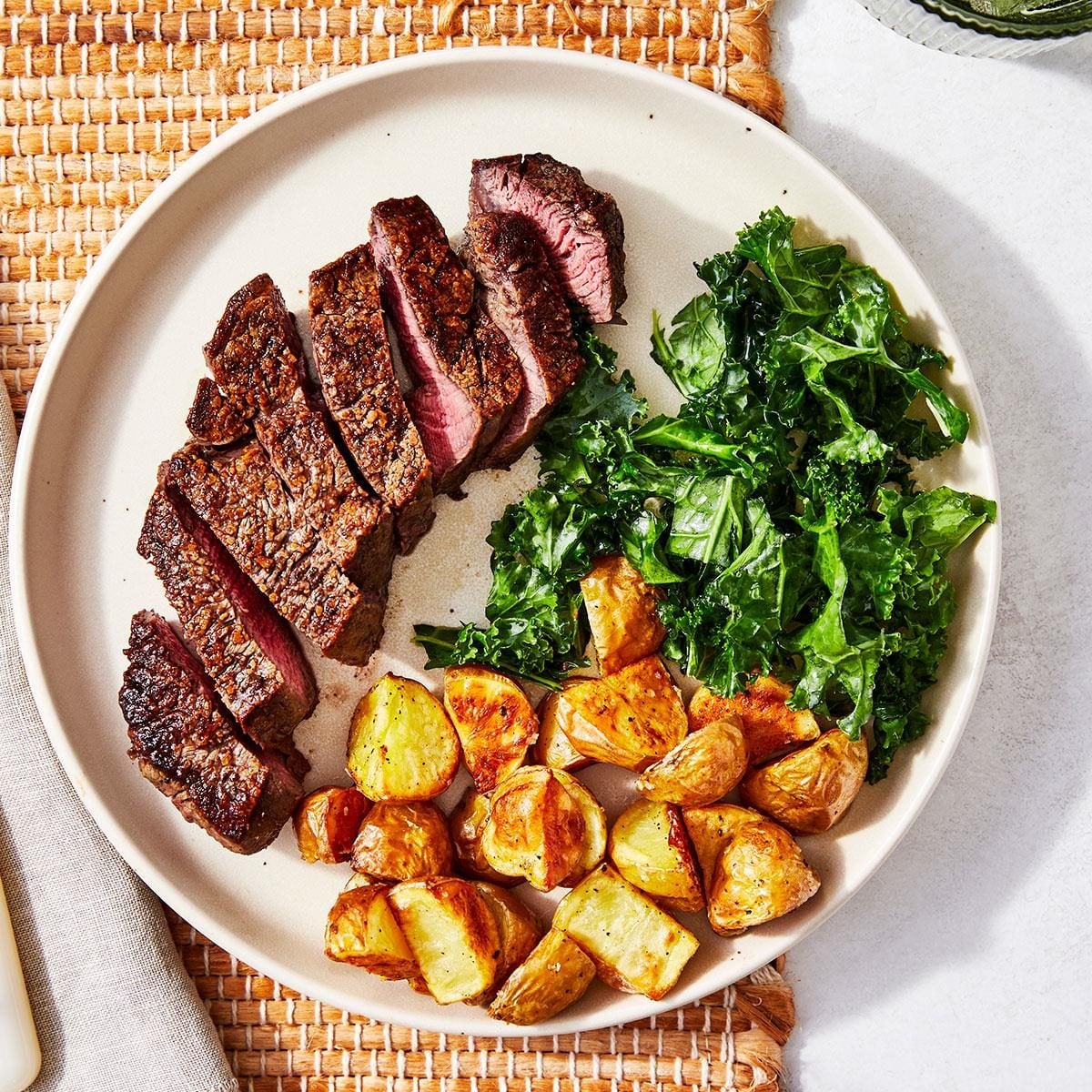
The Perfect Filet Mignon Guide: Juicy, Tender Steak with Golden Crust
Often considered the king of steaks, the mention of filet mignon conjures images of luxurious dining and expert chefs. With its fancy French name and reputation for being the most tender cut of beef, it's easy to assume this culinary masterpiece is reserved for high-end steakhouses. However, the truth is far simpler: mastering a restaurant-quality filet mignon recipe at home is not only achievable but surprisingly straightforward. This comprehensive guide will demystify the process, empowering you to create a succulent, butter-tender steak with an irresistible golden crust, right in your own kitchen.
Contrary to popular belief, filet mignon is one of the easiest steaks to cook perfectly. Its inherent tenderness, stemming from the fact it's cut from the least-worked muscle of the cow, means less intervention is often better. The secret to unlocking its full potential lies in a classic, foolproof method: the pan-sear followed by an oven-finish. This technique, beloved by professional chefs, guarantees a beautiful Maillard-reaction crust on the outside while preserving the juicy, melt-in-your-mouth interior cooked precisely to your desired doneness.
Unveiling the Science: Why This Filet Mignon Recipe Delivers Perfection
Achieving steakhouse-level filet mignon isn't magic; it's a precise application of culinary science. Understanding these core principles will transform your cooking and ensure consistent, spectacular results every time you follow this filet mignon recipe:
- The Pan-Sear + Oven-Finish Synergy: This is the cornerstone technique. High heat from pan-searing rapidly develops a rich, flavorful brown crust (the Maillard reaction). Immediately transferring the steak to a gentler oven environment allows the interior to cook evenly to perfection without overcooking the exterior. It's truly the best of both worlds, providing unparalleled control over both crust and doneness.
- The Critical Role of Room Temperature: Taking your filet mignon out of the refrigerator 30-60 minutes before cooking is non-negotiable. A cold steak hitting a hot pan will lead to an overcooked exterior and a raw, unevenly cooked center. Allowing it to come closer to room temperature ensures even heat penetration and consistent cooking throughout the entire steak.
- A Dry Surface for the Ultimate Crust: Moisture is the enemy of searing. Any water on the steak's surface will cause it to steam rather than sear, preventing that gorgeous, deep brown crust from forming. Always pat your steaks *aggressively* dry with paper towels on all sides immediately before seasoning.
- Simple Seasoning Lets the Beef Shine: Filet mignon boasts a mild, delicate flavor. Overpowering it with complex spice rubs would be a disservice. Coarse sea salt or kosher salt and freshly ground black pepper are all you need. The larger salt crystals help draw out moisture and contribute to a fantastic crust.
- High-Heat Oil is Essential: For searing, you need an oil with a high smoke point – meaning it can get very hot before it starts to burn and smoke, imparting bitter flavors. Avocado oil, grapeseed oil, or canola oil are excellent choices. Olive oil, with its lower smoke point, is not recommended for this technique.
- Butter Basting for Richness and Sheen: Towards the end of the searing process, adding butter to the pan (along with optional aromatics like garlic and herbs) and spooning the melted, foamy butter over the steak adds incredible depth of flavor, a beautiful glistening sheen, and that undeniable steakhouse touch.
- The Art of Resting: Perhaps the most overlooked yet vital step. After cooking, always rest your steaks for 5-10 minutes (depending on thickness). This allows the juices, which have been driven to the center by the heat, to redistribute evenly throughout the meat. Cutting into the steak too soon will result in a dry, less flavorful experience as all those precious juices will simply run out onto your cutting board.
Essential Ingredients & Tools for Your Perfect Filet Mignon Recipe
The beauty of this filet mignon recipe lies in its simplicity. High-quality ingredients and a few key tools are all you need to achieve spectacular results.
Ingredients You'll Need:
- Filet Mignon Steaks: 4 steaks, 6-8 oz each, and ideally 1½ to 2 inches thick. Quality matters here; seek out well-marbled, fresh cuts from a reputable butcher.
- High-Heat Oil: 2 tablespoons (avocado, grapeseed, or canola oil).
- Coarse Sea Salt or Kosher Salt: 2 teaspoons.
- Freshly Ground Black Pepper: 1 teaspoon.
- Unsalted Butter: 2 tablespoons (for basting).
- Optional Garlic Herb Butter (Highly Recommended):
- 4 tablespoons unsalted butter, softened
- 2 cloves garlic, minced
- 1 tablespoon fresh parsley, finely chopped
- 1 teaspoon fresh thyme leaves
- ½ teaspoon fresh rosemary, finely chopped
- Pinch of salt
- For Serving (Garnish): Fresh parsley or thyme, flaky sea salt (like Maldon).
Key Tools:
- Heavy-Bottomed Oven-Safe Pan: A cast-iron skillet is ideal due to its excellent heat retention and even cooking.
- Tongs: Essential for handling the hot steaks safely.
- Instant-Read Meat Thermometer: Your best friend for ensuring perfect doneness without guesswork.
- Small Spoon: For basting the steaks.
- Cutting Board: With a juice groove is a bonus.
Step-by-Step Guide: How to Cook Filet Mignon Perfectly
Follow these steps precisely for a truly exceptional steakhouse experience at home. For more detailed insights into the pan-searing and oven-finishing technique, you can always refer to our guide on Master Steakhouse Filet Mignon at Home: Pan-Sear & Oven Finish.
- Preparation is Key:
- Remove steaks from the refrigerator 30-60 minutes before cooking to bring them closer to room temperature.
- Preheat your oven to 400°F (200°C).
- Pat the steaks thoroughly dry on all sides with paper towels.
- Season generously and evenly with coarse sea salt and freshly ground black pepper on all surfaces. If making the herb butter, prepare it now by combining all ingredients.
- Get That Pan Searing Hot:
- Place your oven-safe skillet (preferably cast iron) over high heat. Add the high-heat oil.
- Heat until the oil is shimmering and just starting to smoke. This indicates it's hot enough for a proper sear.
- Sear for the Golden Crust:
- Carefully place the seasoned steaks into the hot skillet. Do not overcrowd the pan; cook in batches if necessary.
- Sear for 2-3 minutes per side until a deep, golden-brown crust forms. You'll notice the sides of the steak beginning to brown. Use tongs to sear the edges as well, if desired, for an all-around crust.
- Baste with Butter (Optional but Recommended):
- Reduce the heat to medium. Add the 2 tablespoons of unsalted butter (and minced garlic/herbs if using) to the pan.
- Once the butter melts and begins to foam, tilt the pan slightly and use a spoon to continuously baste the melted butter mixture over the steaks for about 1 minute. This infuses flavor and helps develop that gorgeous sheen.
- Finish in the Oven:
- Immediately transfer the skillet with the steaks to the preheated 400°F (200°C) oven.
- Cook until your desired internal temperature is reached. Use an instant-read meat thermometer inserted into the thickest part of the steak.
- Rare: 120-125°F (49-52°C)
- Medium-Rare: 130-135°F (54-57°C) - Recommended for filet mignon
- Medium: 135-140°F (57-60°C)
- Cooking time in the oven typically ranges from 5-10 minutes, depending on steak thickness and desired doneness. Remember, the temperature will rise slightly during resting.
- The All-Important Rest:
- Once the steaks reach your desired temperature, immediately remove the skillet from the oven.
- Transfer the steaks to a clean cutting board. Loosely tent them with aluminum foil.
- Let the steaks rest for 5-10 minutes. This is crucial for juice redistribution, ensuring a tender, juicy result.
- Serve and Enjoy:
- After resting, slice the steaks against the grain if desired, or serve whole.
- Top with a dollop of the optional garlic herb butter (if made). Garnish with fresh parsley or thyme and a sprinkle of flaky sea salt for a finishing touch.
- Serve immediately with your favorite sides. For a foolproof, delicious meal every time, check out our Easy Filet Mignon Recipe: Foolproof Steakhouse Quality at Home.
Beyond the Plate: Elevating Your Filet Mignon Experience
While this core filet mignon recipe provides a perfect foundation, there are always ways to enhance your dining experience:
- Sourcing Your Steak: Don't underestimate the impact of good quality beef. Seek out grass-fed or prime-grade filet mignon from a reputable butcher. Look for an even color and minimal marbling (filet is lean), but a rich, beefy aroma.
- Perfect Pairings: Filet mignon shines with classic accompaniments. Consider creamy mashed potatoes, crisp roasted asparagus, decadent creamed spinach, or a simple side salad. A rich red wine reduction sauce can also elevate the flavors beautifully.
- Wine Wisdom: A robust red wine is the traditional partner for filet mignon. A bold Cabernet Sauvignon, a smooth Merlot, or an elegant Pinot Noir would all complement the steak's rich, beefy flavor without overpowering its delicate texture.
- Experiment with Flavors: While simple seasoning is best for the steak itself, don't shy away from experimenting with your finishing butter. A touch of blue cheese, finely chopped shallots, or different fresh herbs can add wonderful complexity.
Conclusion
The journey to cooking the perfect filet mignon at home might seem daunting, but as this guide illustrates, it's far from it. By understanding and applying the principles of the pan-sear and oven-finish method, combined with attention to crucial details like proper steak preparation and resting, you can consistently achieve steakhouse-quality results. This filet mignon recipe is more than just instructions; it's an invitation to experience the unparalleled tenderness and exquisite flavor of this noble cut. So, next time you're planning a special occasion or simply craving an exceptional meal, don't hesitate to don your apron and create a memorable culinary masterpiece.
